
Brazilian recipe
Acarajé com Camarão
Bahian black-eyed pea fritters fried in red palm oil, split and filled with nutty vatapá, sautéed shrimp and bright tomato vinaigrette.
Bahia, northeastern Brazil

01
Ingredients
- 450 g
dried black-eyed peas
- 1500 ml
cold water, for soaking
- 1
small onion, quartered for the batter
- 10 g
fine salt
- 900 ml
red palm oil (dendê), for frying
- 400 ml
unsweetened coconut milk
- 80 g
roasted unsalted peanuts
- 15 g
fresh ginger, chopped
- 20 ml
red palm oil, for the filling
- 15 g
plain flour
- 250 g
raw shrimp, peeled and deveined
- 15 ml
olive oil, for the shrimp
- 3
garlic cloves, minced
- 180 g
ripe tomatoes, finely diced
- 80 g
green bell pepper, finely diced
- 80 g
red onion, finely diced
- 30 ml
white vinegar
- 15 g
cilantro, chopped
02
Method
- 01
Soak the beans
Cover the black-eyed peas with cold water and soak for 8 hours until the skins loosen and the beans swell.
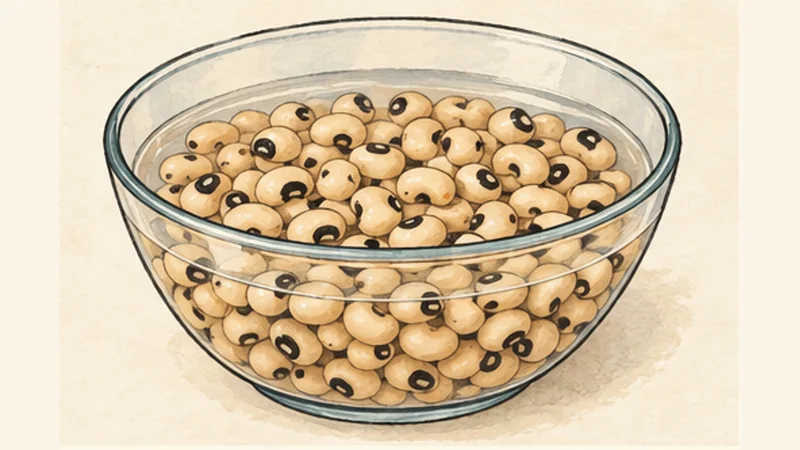
Cooking-step illustration, not a photograph - 02
Remove skins and grind
Rub the beans between your hands to loosen the skins, rinse away the skins, then process the beans with the onion and salt until smooth. Beat the batter for 2 minutes to aerate it.
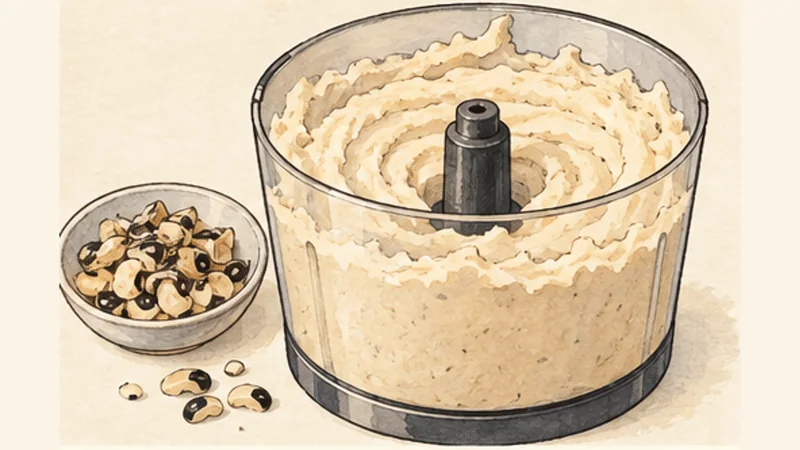
Cooking-step illustration, not a photograph - 03
Make the vinaigrette
Mix the tomatoes, bell pepper, red onion, vinegar, cilantro and a pinch of salt. Cover and chill for 30 minutes so the flavours sharpen.
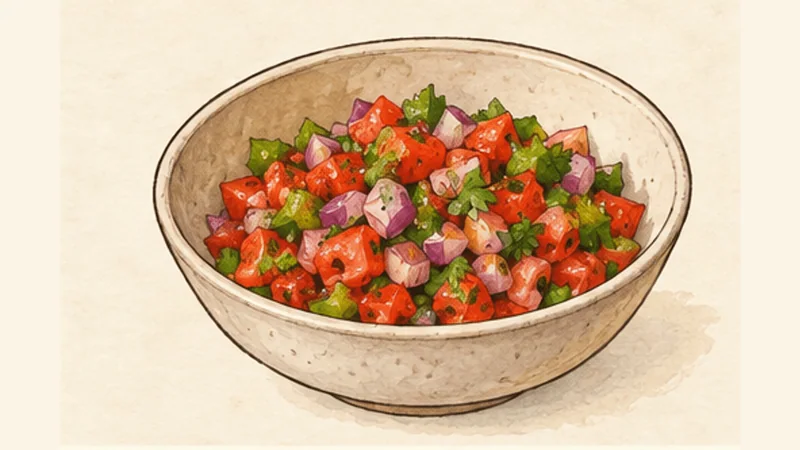
Cooking-step illustration, not a photograph - 04
Cook the nutty vatapá
Blend the coconut milk, peanuts, ginger and flour until smooth. Heat 20 ml red palm oil in a small pot, add the mixture and simmer for 5 minutes, stirring until thick; set aside.
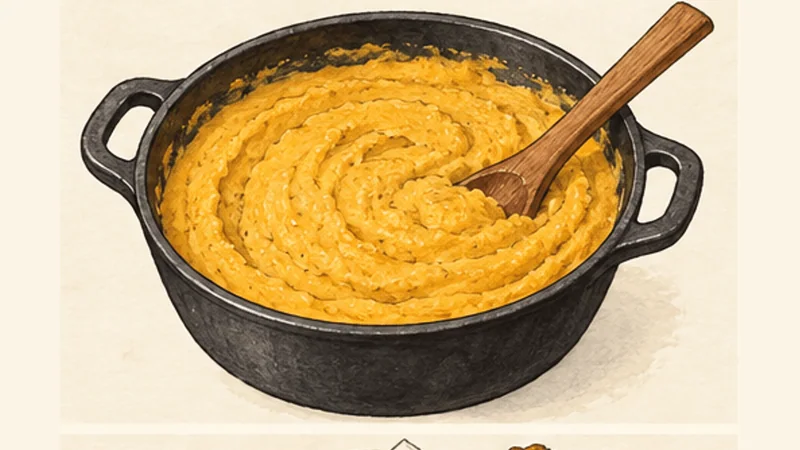
Cooking-step illustration, not a photograph - 05
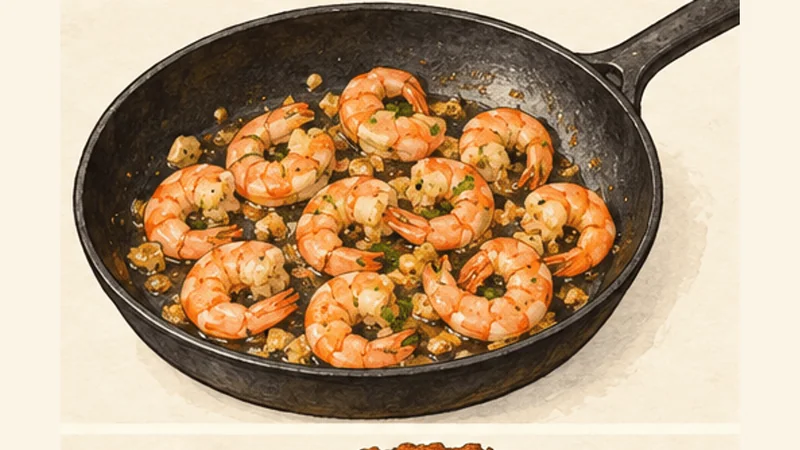
Sauté the shrimp
Heat the olive oil with the garlic, add the shrimp and cook for 3–5 minutes until pink, opaque and fully cooked. Cool slightly.
Cooking-step illustration, not a photograph - 06
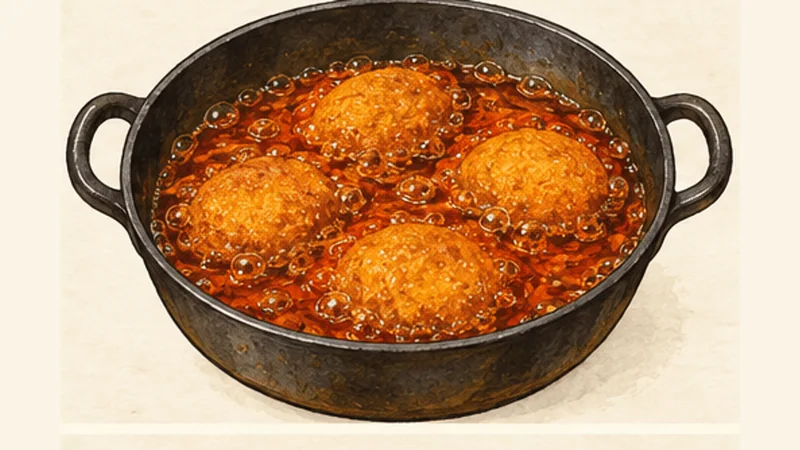
Fry the acarajé
Heat the remaining red palm oil in a deep pan to 175°C. Scoop 2–3 tablespoons batter per fritter and fry in batches for 5–6 minutes, turning once, until deep golden and cooked through.
Cooking-step illustration, not a photograph - 07
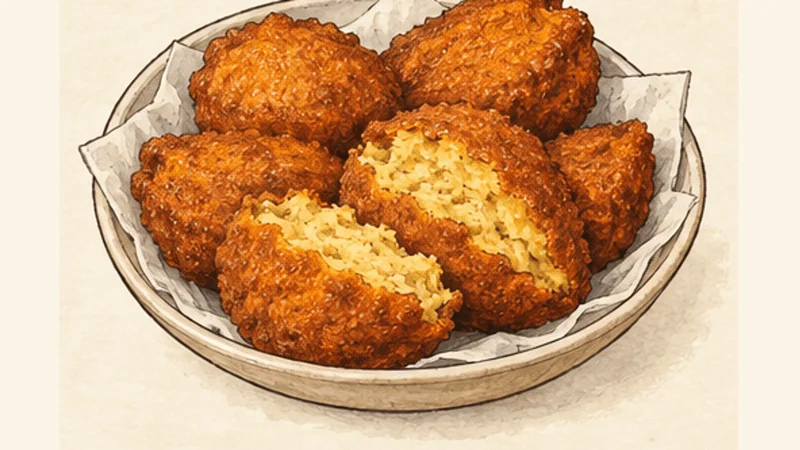
Drain and split
Drain the fritters on a rack for 5 minutes. Split each one almost through the side, keeping a hinge for the filling.
Cooking-step illustration, not a photograph - 08
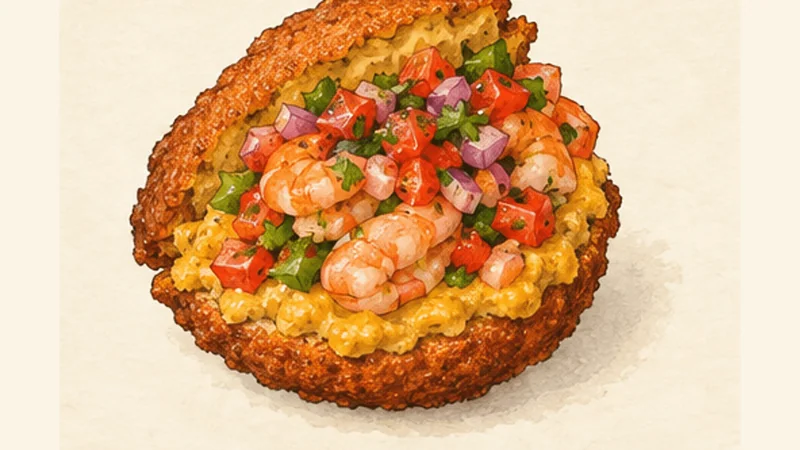
Fill and serve immediately
Fill each warm acarajé with vatapá, shrimp and vinaigrette. Serve immediately while the fritter is crisp and the filling is warm.
Cooking-step illustration, not a photograph


03
Sources and photo credit
This standardized method was independently rewritten after cross-checking the references below. Recipe Nest Vault does not claim that the credited photographer cooked from this exact version.
Recipe references
- Saveur — Acarajé Com Camarão (Black-Eyed Pea Fritters With Shrimp)
- Olivia's Cuisine — 30 Authentic Brazilian Recipes
Acarajé - Bahia 2011 (7290756706).jpg — Photograph by Ben Tavener from Curitiba, Brazil; CC BY 2.0.
Step illustrations: Original illustrations created by Recipe Nest Vault with OpenAI image_gen.
More Brazilian recipes
More Brazilian recipes

11 hr 30 min
Feijoada

50 min
Moqueca Baiana

55 min